Why It’s the Name People Reach For First
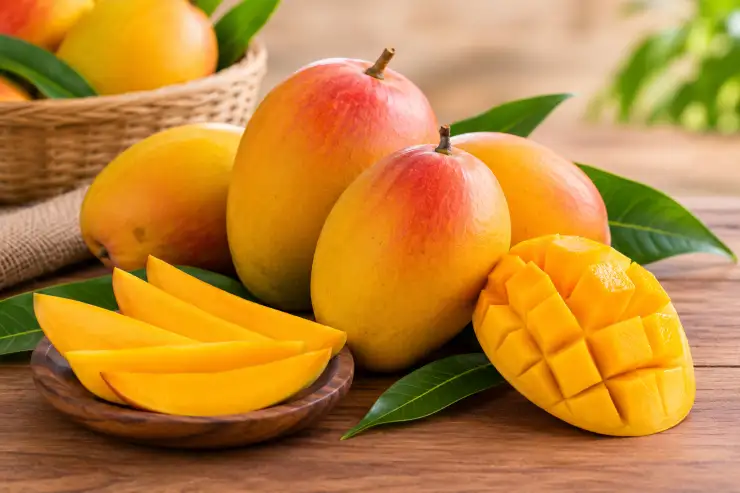
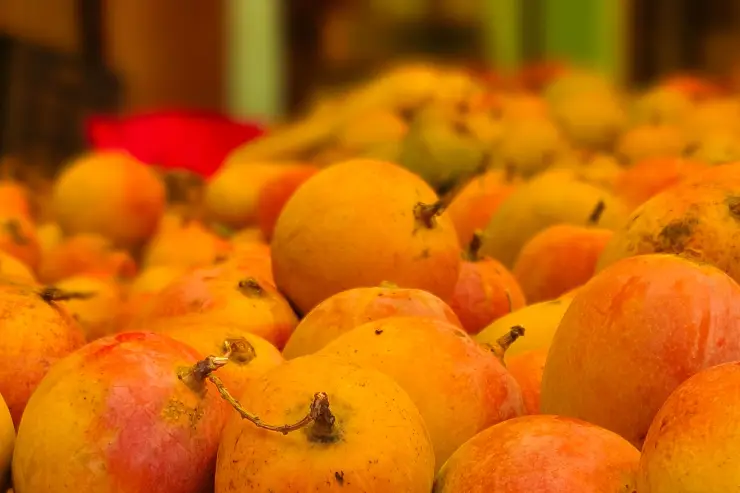
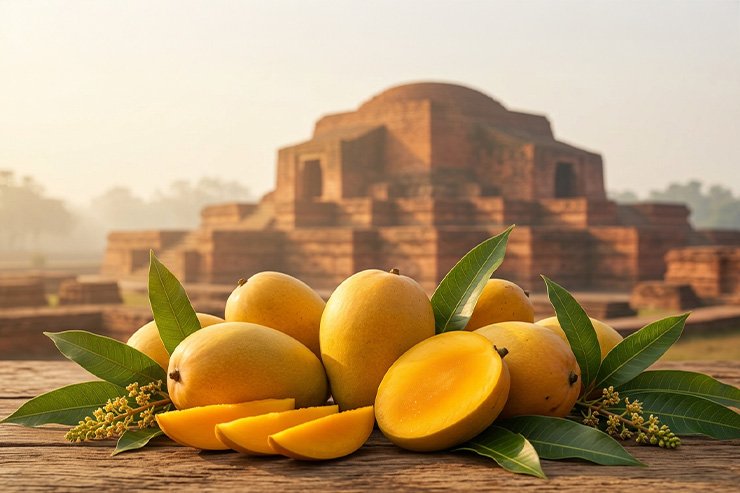
Ask around for the famous mangoes in India, and Ratnagiri’s Alphonso comes up almost every time practically without argument. It’s earned a Geographical Indication tag too, which is a legal way of saying nobody can slap the Ratnagiri name on fruit that didn’t actually grow there.
That tag matters more than people realize. Buy a genuine box and you know it grew in this exact region, following methods that have been handed down for generations, not some shortcut version grown two states over.
Restaurants in Mumbai, Delhi, and Bangalore build these whole summer menus around it . Like, the Mango festivals treat Alphonso like the star act, not just some other item on the side of the list.
What Happens Before It Reaches You
The journey of alphonso mangoes from ratnagiri starts way before most people think, really earlier than the usual story. Farmers prune the trees in winter, manage flowering in early spring, and then spend weeks, basically waiting, hoping an off time shower doesn’t mess up the crop right before harvest
Picking is still mostly done by hand, with a tool locals call a zela, made so it plucks without bruising. And honestly even a small dent can mess with both shelf life ,and the flavor.
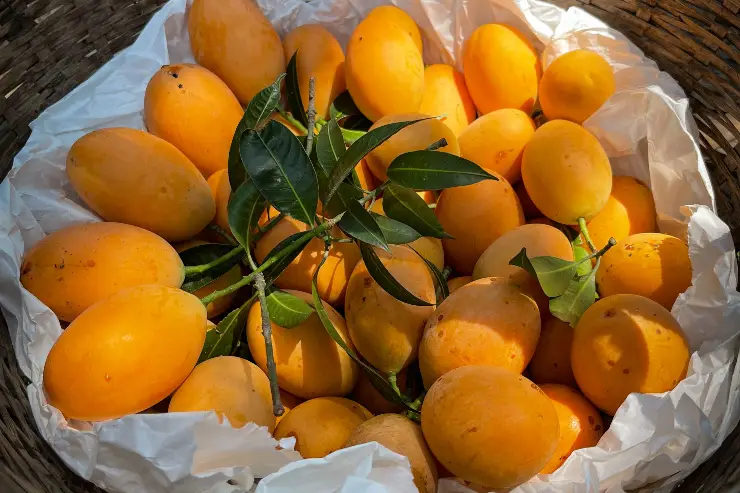
Once picked, the mangoes ripen naturally under straw. No chemicals involved. The process takes about five to ten days depending on the batch and the weather that week.
Watch Who You’re Buying From
Demand this high always attracts fakes. Buyers pay premium prices for mangoes that have nothing to do with the Konkan coast , and yeah most people still wouldn’t know the difference just by staring at them.
So finding the best ratnagiri farm mangoes brands actually matters if you want the real thing, not a close enough version. Reputable farms and cooperatives now offer traceability and GI certification, so you know exactly what’s landing on your table.
Buying straight from known farms also cuts out middlemen who tend to mix batches from different regions just to stretch supply.
The Demand Keeps Climbing
Every season, demand for genuine Ratnagiri mangoes keeps running ahead of what farmers can actually produce. The window is short, roughly March through June, and weather that won’t cooperate can shrink it even more, sometimes with zero warning.
That scarcity has created a whole culture of early booking. Loyal buyers reserve their crates months ahead just to make sure they don’t miss out.
Export demand has grown too. You’ll now find Alphonso from this coast reaching the Middle East, parts of Europe, and Southeast Asia, quietly carrying India’s farming reputation along with it.
A Few Ways People Actually Eat It
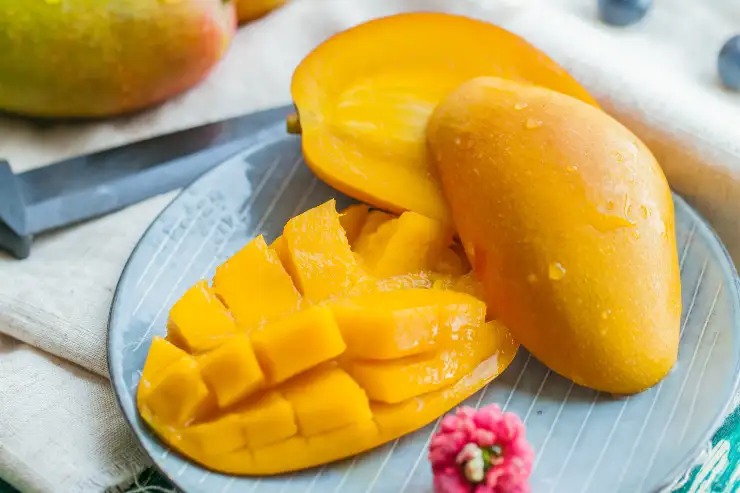
Most of the time, people just slice it and eat it plain. Nothing fancy needed. That’s usually the best way to taste it anyway.
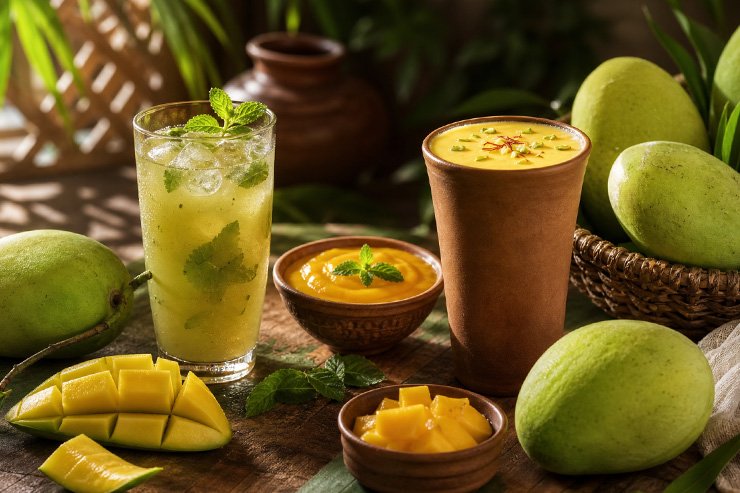
Some households turn ripe fruit into aamras, that thick sweet pulp served alongside puris. Others blend it into shakes or fold it into homemade ice cream once the weather gets unbearable.
Whatever method you pick, the starting fruit is what matters. A properly ripe one doesn’t need sugar or flavoring added to it at all.
Worth Protecting, Not Just Selling
Behind every crate is a farming family that’s often worked this same patch of land for generations. Rising costs, plus unpredictable rain, have made the whole thing tougher lately, not easier.
Still, most farmers haven’t cut corners. They stick to natural ripening and traditional harvesting even when faster, cheaper methods exist and would save them money.
That stubbornness, in a good way, is probably why this fruit still means something decades later.
The fame around Ratnagiri Alphonso mangoes wasn’t something that just happened. It’s geography, weather, patience, and generations of farming know-how, all stacking up in one small coastal belt that nobody’s managed to recreate anywhere else.