It’s the Land, Honestly
Devgad is a small town on the Konkan coast, a bit south of that more talked about Ratnagiri belt. Same kind of general region, but not the same… fruit, apparently, and locals will argue that point all day if you let them.
The soil is laterite. Red, mineral heavy, drains quickly once the monsoon lets up. Nothing unusual there on paper.
What’s harder to pin down is the microclimate. Sea air, humidity, temperature swings between day and night, all stacking up in a way nobody’s fully managed to copy elsewhere, even when they’ve tried the exact same rootstock.
I’ve heard farmers from other states say the trees grow fine when transplanted. Fruit shows up too. But something in the final taste just doesn’t land the same, and honestly, nobody seems able to explain exactly why.
What “Original” Even Means
Once something gets this popular, fakes show up. That’s just how it goes, unluckily , and mangoes are no exception.
Which is why people specifically hunt for the original Devgad Alphonso mango, instead of settling for whatever’s labeled “Alphonso” at the nearest stall. Real fruit comes with a GI tag, a legal stamp kind of confirming it actually came from this exact zone. Not just the name, the provenance.
It’s not even being overly fussy. If you’re paying this much, you’d probably want it to actually be from where it says it’s from, right.
About That “Most Expensive Mango” Title
You’ll see Devgad Alphonso called India’s Most Expensive Mango fairly often, and honestly yeah it’s not only a catchy headline. Land here is limited. The season is short. Hand harvesting takes real labor, not machines.
Then add the cost of proper straw ripening, careful sorting, and transport that doesn’t bruise the fruit, and the price starts making more sense than it did at first glance.
People still buy it anyway, year after year. My uncle included. Once you’ve had the real thing, going back to a cheaper substitute feels like a downgrade no one requested.
What Actually Moves the Price
Also, the devgad alphonso mango price isn’t some fixed number stamped on a board. It changes with size, ripeness, how early or late in the season you’re buying, and honestly the weather that year had.
Early fruit costs more. Simple supply and demand, since not much is ready yet. Prices usually calm down a bit once peak harvest hits around May.
Buying straight from a farm, or a seller you actually trust, tends to save you money compared to grabbing a box from someone riding on the name alone in a city market.
Timing Is Everything Here
The devgad mango season doesn’t stick around long. Ask anyone who showed up two weeks late, and missed it entirely.
Roughly mid March to early June, though the exact window wiggles a bit depending on rainfall, and how the trees flowered that season. Booking early isn’t paranoia, it’s just practical at this point.
Miss it, and that’s it. You’re waiting until next year, no exceptions, no matter how much you’re willing to spend to make it happen sooner.
Ordering It Without Leaving the House
These days buying Ddevgad alphonso mango online is honestly easier than trying to track down a dependable vendor face to face . Verified farms and big marketplaces now list harvest dates, certifications sometimes even a few photos of the exact orchard, or at least what they say is the orchard.
That kind of visibility really matters, because counterfeit boxes kind of float around everywhere during peak season.
Still , do check reviews before paying upfront. Not every seller who says direct sourcing is actually telling the full truth about where the fruit was grown.
A Quick Way to Check What You’ve Got
A genuine one will usually give off a faint sweet aroma near the stem, even before you cut into it. If there’s zero smell at all then it’s a little too quiet and worth being suspicious .
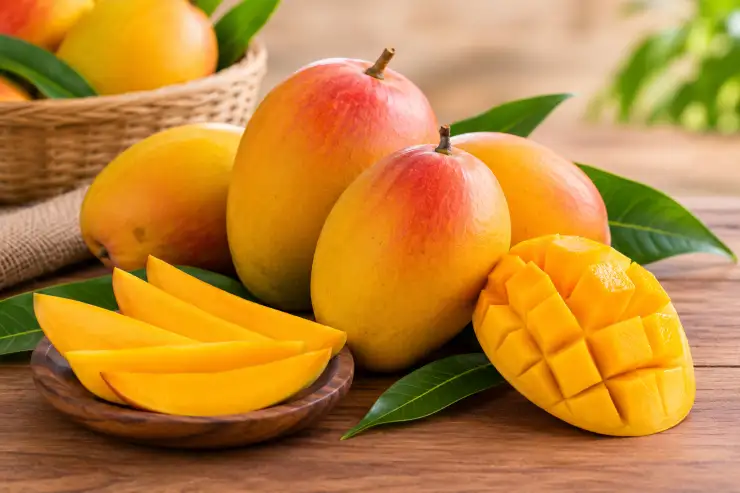
The skin color should look naturally golden with a gentle reddish blush, not that oddly perfectly even shade you sometimes see on chemically ripened fruit .
Pick it up too. It should feel a touch heavier than expected for its size, which usually means the flesh inside is dense and properly matured.
Also Read: Why Devgad Mangoes Are Special